
A School Is More Than a Number
Sean unpacks the limits of online ratings and explains what growth and assessment data can—and can’t—tell a parent.
A Maryland podcast hosted by Matt Rhine
Full Interview · April 18, 2024 · Ep. 34
At Lutherville Laboratory Elementary School—often called Lutherville Lab Elementary School—principal Sean McComb helps parents look beyond ratings to their children’s growth, relationships, and safety. He was the 2014 National Teacher of the Year.
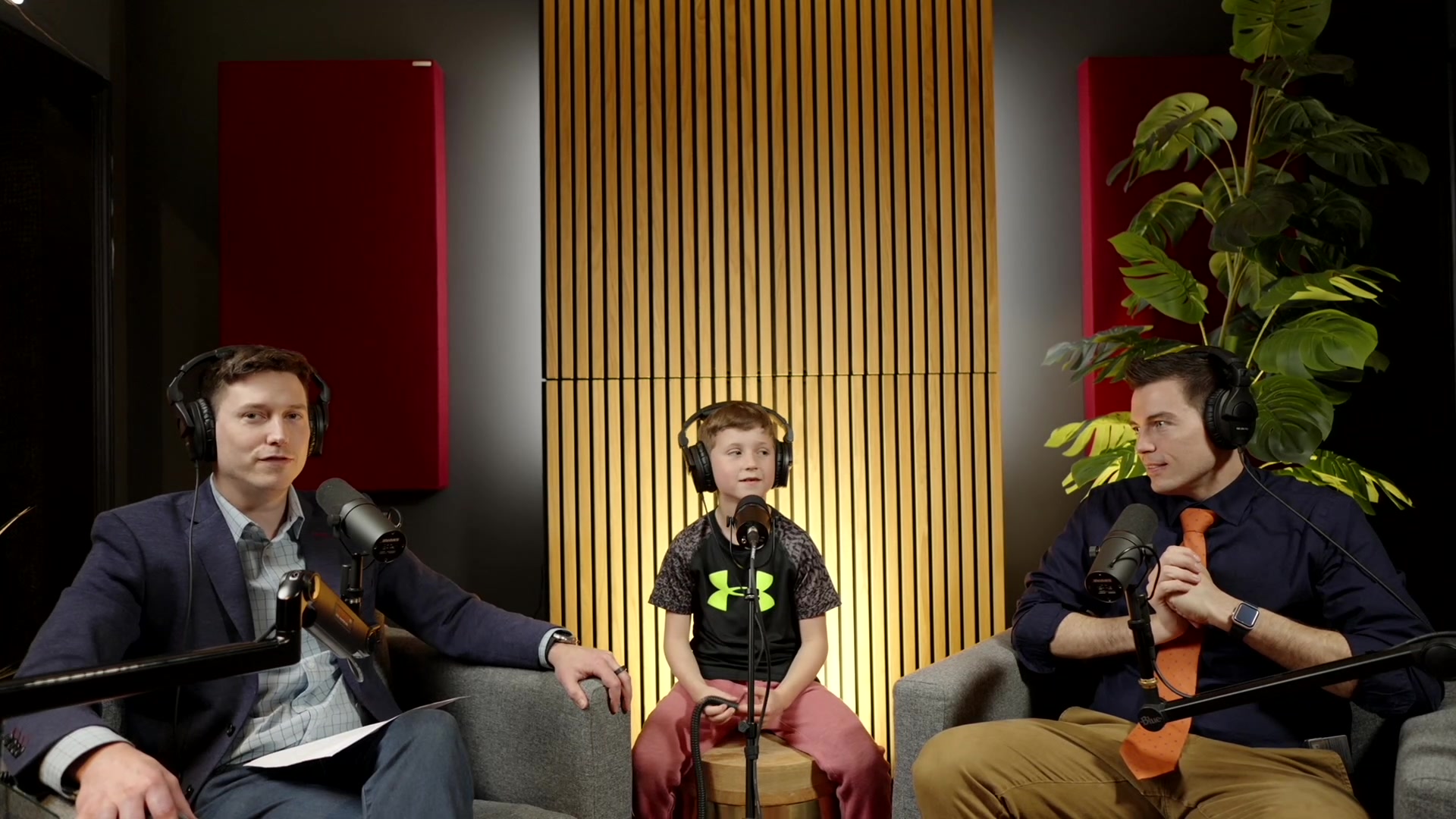
Filmed interview with Sean McComb, Matt Rhine and Charlie Rhine. Original podcast audio is also available below.
Prefer audio? Listen to the original podcast recording below. Video and audio use different timestamps.
Principal · Lutherville Laboratory Elementary School
Recorded April 18, 2024. Ratings methods, attendance boundaries, pre-K offerings, and district budgets can change. This interview is not a guarantee of school assignment or program eligibility.
Sean McComb is principal of Lutherville Laboratory Elementary School, often called Lutherville Lab Elementary School, and was the 2014 National Teacher of the Year. He began teaching English at Patapsco High School and Center for the Arts, where he coached and worked in a college-readiness program for first-generation college students.
Sean says the national honor took him across the country and abroad for a year to visit classrooms, speak with teachers, and represent their profession. He returned to teaching while supporting teacher coaches. He was drawn to elementary education by its energy and the chance to build reading skills early, before gaps become harder to address.
He became assistant principal at Pleasant Plains Elementary, helping lead school improvement, before moving to Lutherville Laboratory. In the interview, he also describes a fellowship at the U.S. Department of Education that widened his view of schools and their communities. Today, he focuses on knowing children, supporting teachers, and helping families see growth beyond a rating.
Sources: School staff page ↗National Teacher of the Year archive ↗White House archive ↗
Listen on Apple Podcasts, or follow the show on Spotify.
More conversations
Follow for more conversations with local leaders and the people shaping Maryland.
Interview highlights
Choose a highlight to watch it in the full interview player above.
Sean unpacks the limits of online ratings and explains what growth and assessment data can—and can’t—tell a parent.

School visits, conversations and everyday involvement offer context a star rating can’t provide.
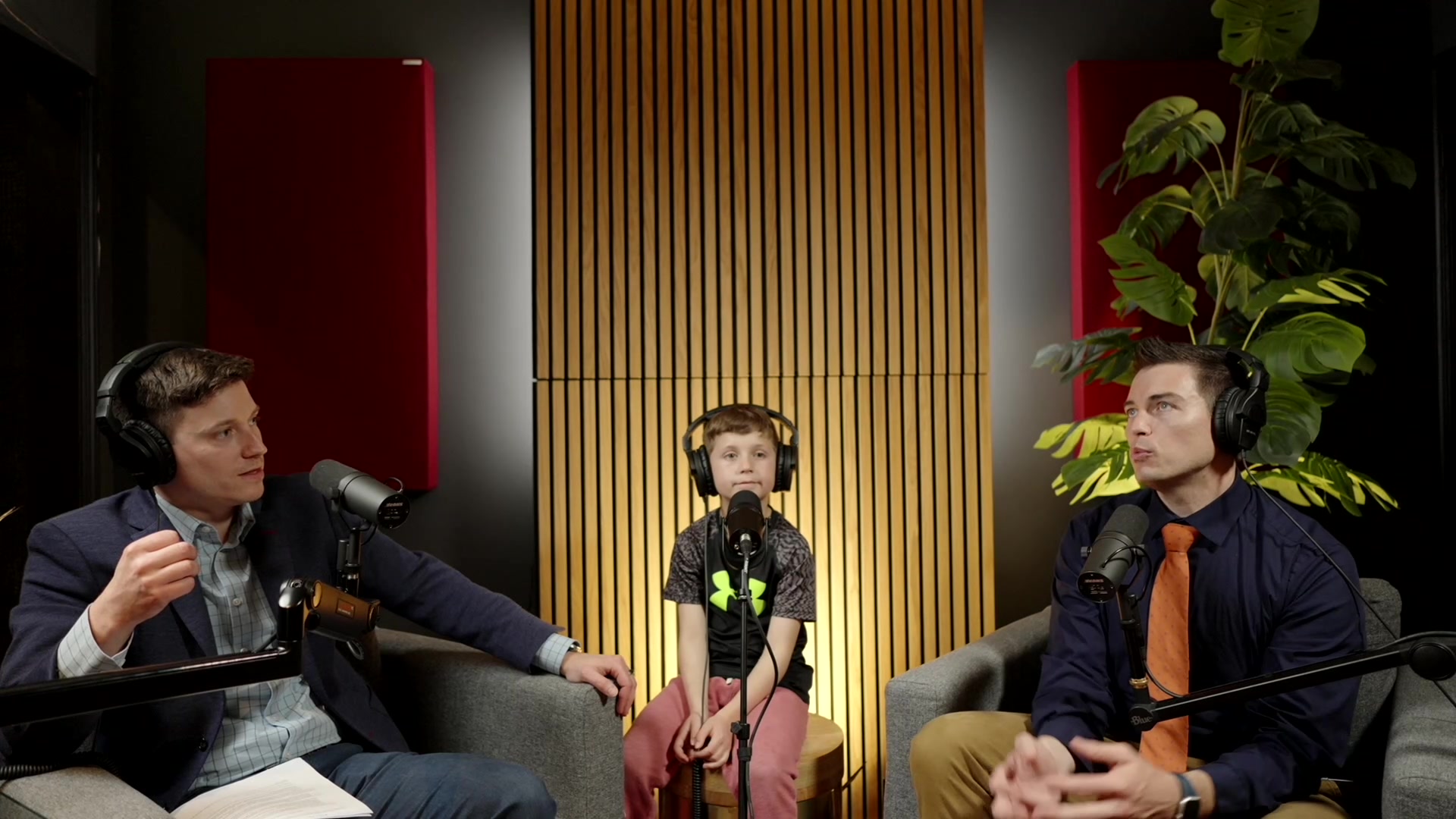
Sean distinguishes bullying from other hurtful behavior and discusses trusted adults, repair and a child’s sense of safety.
From the interview
Watch each answer at its matched video timestamp, or read the source transcript.
Sean says a single number cannot capture whether a child wants to attend, feels safe, has friends and a caring teacher, or is growing academically and socially. He describes Maryland’s star system as one snapshot from the time of this 2024 conversation.
Watch video from 00:15:14 →Read transcript →Sean recommends putting a MAP score beside classroom assessments and other reading work, then looking for a trend across multiple testing periods rather than treating one day as the whole picture.
Watch video from 00:18:27 →Read transcript →Sean distinguishes a single hurtful incident from repeated bullying, but says both deserve a response. He starts with whether a child has a trusted adult to tell, then involves teachers, counselors, and other supports as needed.
Watch video from 00:37:48 →Read transcript →Sean suggests asking whether teachers know each child’s strengths and gaps and can help them grow. He says public ratings offer information, but they do not tell the whole story of an elementary classroom.
Watch video from 00:16:52 →Read transcript →Sean suggests attending a public school event when available and speaking with families in a trusted local network, rather than relying only on anonymous online reviews.
Watch video from 00:22:36 →Read transcript →In the context of 2024 Baltimore County staffing and pay, Sean says a large share of district spending pays the people doing the work, including teachers, aides, and bus drivers.
Watch video from 00:30:25 →Read transcript →Sean describes restorative conversations in which children explain what happened and its impact, with counselors or administrators involved when needed. He does not promise that any single approach resolves every case.
Watch video from 00:38:43 →Read transcript →Sean says development, available space, and community changes can lead a district to study boundaries. His account concerns a 2024 Baltimore County process, not a promise that a particular address will keep an assignment.
Watch video from 00:44:14 →Read transcript →Sean describes Maryland’s Blueprint-era expansion and notes that, at the time, some county schools were gaining programs while Lutherville Lab was not scheduled for one the following year. Families should verify current offerings and eligibility with the district.
Watch video from 00:51:30 →Read transcript →No. Sean says home experiences can be valuable too; pre-K may provide additional practice with peers, school routines, and foundational skills. He cautions against assuming an individual child’s readiness from enrollment alone.
Watch video from 00:54:09 →Read transcript →Work with Matt
Your next move deserves more than a search result. Matt and his Maryland team help you weigh the options, build a plan, and navigate the details from the first conversation through closing.
Narrow your search to Maryland neighborhoods that fit your goals, then get help evaluating homes, shaping offers, and negotiating.
Prepare and price your home for the local market, compare offers, and plan a smoother path to closing.
Home value estimates are not appraisals; exploring an estimate is optional.
Go deeper
Search the timestamped source transcript and return to the interview at the moment that caught your attention.
Podcast-only updates
New-episode emails aren't being sent yet. Join the list for podcast episodes only; no real-estate marketing.