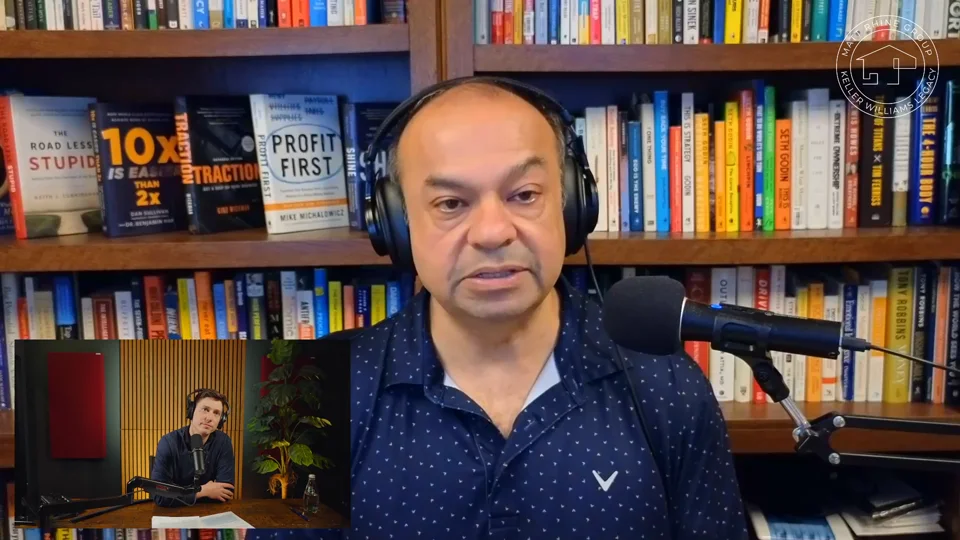
Video clip
Rocky explains the four-bucket approach and the spending discipline behind making profit intentional.
A Maryland podcast hosted by Matt Rhine
Full Interview · June 1, 2026
Hosted by Matt Rhine
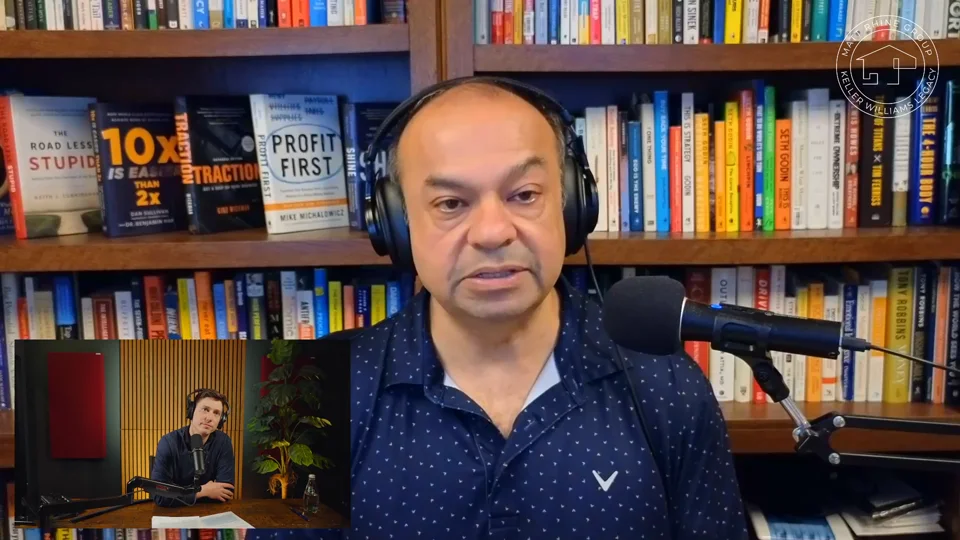
Profit Comes First
Video clip
Rocky explains the four-bucket approach and the spending discipline behind making profit intentional.
The right allocations and tax choices depend on your business; discuss them with a qualified adviser.
Rocky Lalvani, MBA, EA, helps business owners turn revenue into money they can actually keep. A certified Profit First Professional and co-pilot at Profit Comes First, he focuses on simple systems for owner pay, taxes, and sustainable profit.
His interest in money goes back to his father’s example and his own teenage paper route. With Matt, Rocky brings that practical perspective to the account balances, pricing choices, and investments that shape a small business.
Sources: profile ↗
Listen on Apple Podcasts, or follow the show on Spotify.
More conversations
Follow for more conversations with local leaders and the people shaping Maryland.
Interview highlights
Choose a highlight to watch it in the full interview player above.
Rocky explains the four-bucket approach and the spending discipline behind making profit intentional.
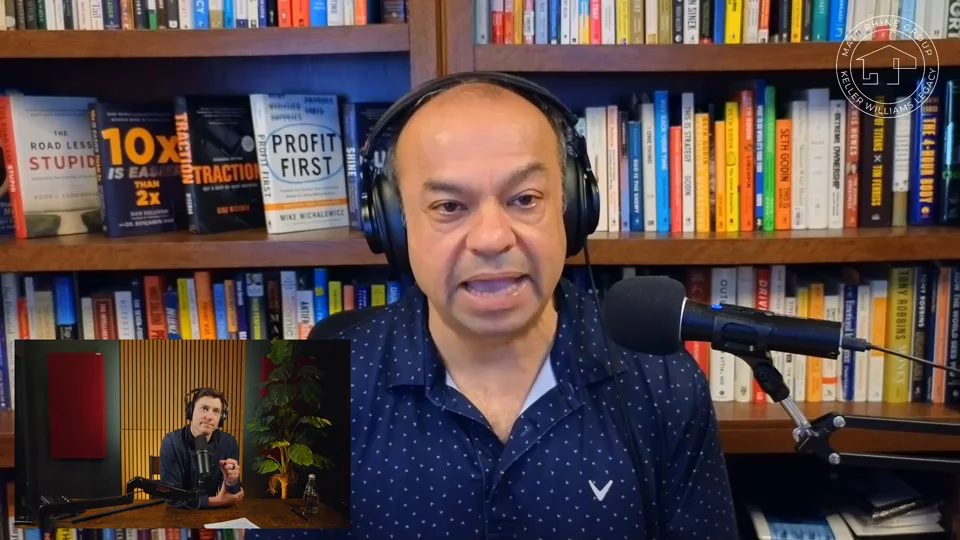
A separate account and a small first step can make the habit easier to maintain.
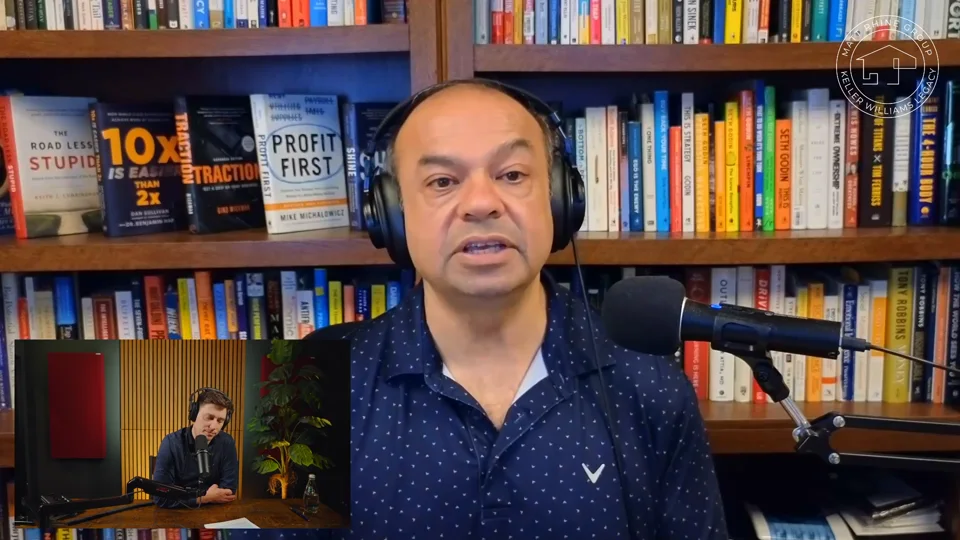
Rocky discusses pricing, costs and the decisions that can leave a busy business without enough profit.
From the interview
Use each timestamp to watch the answer in context.
Lalvani describes replacing “sales minus expenses equals profit” with “sales minus profit equals expenses”: set profit aside first, then operate within what remains. It is a management method, not a promise that a business will be profitable.
Watch from 00:11:46 →He describes allocating incoming money among separate bank accounts for profit, the owner’s pay, taxes, and operating expenses, rather than treating the full operating balance as available to spend.
Watch from 00:14:54 →Lalvani says an owner can start by setting aside one or two percent less for operations, then learn to work within the constraint. The right allocation depends on the business.
Watch from 00:16:59 →Lalvani asks owners to identify the expected return, look at the track record, and set a payback schedule before calling a spend an investment.
Watch from 00:18:50 →Lalvani recommends understanding the business model before starting, and says pricing, purchasing, compensation, and collections can make a business harder to sustain when they are designed poorly.
Watch from 00:23:54 →Start with the learning format that suits you, he says, then open a separate bank account. He describes a small initial allocation as a way to begin rather than waiting until there is obvious extra cash.
Watch from 00:37:49 →Lalvani says adding distance can make it harder to pull profit or tax money back into operations when cash feels tight. He also says owners should use the arrangement that fits their own habits.
Watch from 00:39:14 →He argues that a price increase can be a powerful lever for an underpriced business and gives a five-to-ten-percent increase as an example that he says can double profits for some businesses. That is his claim in this discussion, not a general forecast.
Watch from 00:41:00 →Work with Matt
Your next move deserves more than a search result. Matt and his Maryland team help you weigh the options, build a plan, and navigate the details from the first conversation through closing.
Narrow your search to Maryland neighborhoods that fit your goals, then get help evaluating homes, shaping offers, and negotiating.
Prepare and price your home for the local market, compare offers, and plan a smoother path to closing.
Home value estimates are not appraisals; exploring an estimate is optional.
Go deeper
Search the timestamped source transcript and return to the interview at the moment that caught your attention.
Podcast-only updates
New-episode emails aren't being sent yet. Join the list for podcast episodes only; no real-estate marketing.