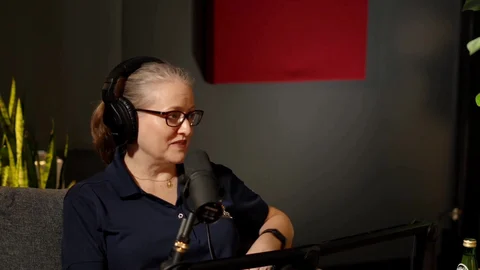
Video clip
Rachel recalls an unexpected compliment about her detective work—and explains why an inspector reads familiar details differently.
A Maryland podcast hosted by Matt Rhine
Inspection compilation · October 8, 2026
Two Maryland home inspectors explain how to read past the surface: what's urgent, what's routine, and which extra tests are worth a conversation.
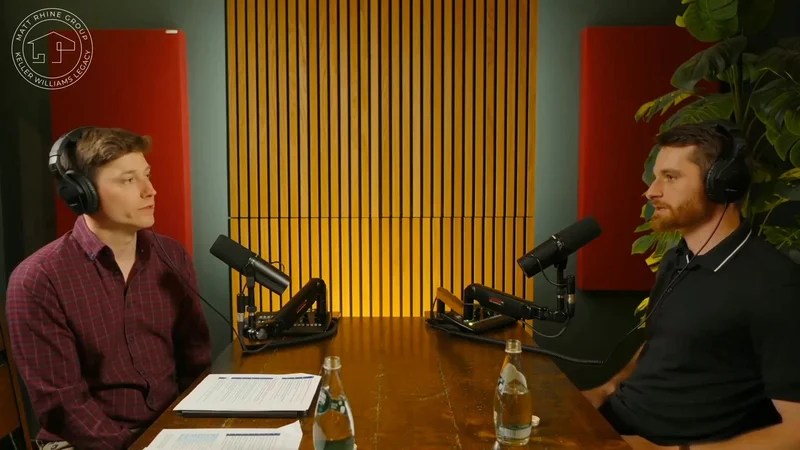
Rachel Oslund & Jake Bowling · Inspection compilation
Video clip
Rachel recalls an unexpected compliment about her detective work—and explains why an inspector reads familiar details differently.
An inspection is a visual snapshot in time, not a guarantee. Ask what your inspection and any added tests cover.
Rachel Oslund and Jake Bowling help buyers understand the house behind the finishes. In conversations with Matt Rhine, they explain how to separate routine maintenance from expensive defects—and when another specialist should take a closer look.
Rachel owns LodeStar Inspection Services and is a Certified Master Inspector. Her company emphasizes education-based inspections: helping buyers understand findings without turning every small issue into a crisis.
Jake owns White Oak Home Services and holds Maryland Home Inspection License #35266. His current work is with White Oak; the October 2024 excerpts in this compilation were recorded while he was with Blue Crab Inspections.
This compilation brings together Rachel’s September 5, 2024 conversation, Inside Home Inspections: Myths & Realities, and Jake’s May 18, 2026 and October 17, 2024 interviews. Their experiences are perspectives, not guarantees about a particular property.
Sources: profile 1 ↗profile 2 ↗
Find the show on Apple Podcasts, or follow the show on Spotify.
Different conversations. One useful guide.
Rachel Oslund (2024) and Jake Bowling (2024 & 2026), in conversation with Matt Rhine. Jake’s 2024 excerpts were recorded while he was with Blue Crab Inspections; he now owns White Oak Home Services.

Inside Home Inspections: Myths & Realities · September 5, 2024
May 18, 2026 · White Oak Home Services
Watch the full 2026 conversation →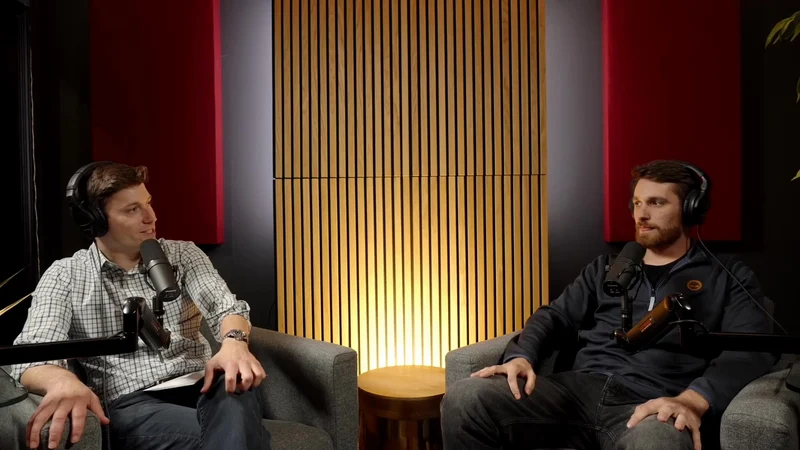
Beyond the Surface · October 17, 2024 · Episode 51
Approximate recording transitions. Select a time to watch from that point.
Sponsored by First Home Mortgage. Guests share their own experience; this is not a substitute for a licensed inspector or specialist.
More conversations
Follow for more conversations with local leaders and the people shaping Maryland.
Interview highlights
Choose a highlight to watch it in the full interview player above.
Rachel's unexpected compliment explains why inspectors see familiar details differently.
Rachel separates a lender's value assessment from an inspector's look at defects.

Jake explains how his report separates maintenance, recommendations and major defects.

Jake names the systems and moisture issues he watches most closely.

Jake recalls the concealed damage that made him inspect a polished property more closely.

Jake explains why conditions can change between inspection and moving day.
From the interview
Use each timestamp to watch the answer in context.
Rachel Oslund says first-time buyers often confuse them. An appraiser estimates dollar value; an inspector typically spends about three hours identifying defects. She explains that this is not a code inspection, with no pass or fail. Matt adds that the appraiser works for the lender and may flag lender-required repairs—not replace an inspection.
Watch from 00:00:26 →Jake Bowling describes his color-coded reports: blue for maintenance or minor items, orange for recommendations, and red for major defects. He explains what each item is, what it could cause, and which trade should look at it, so buyers have more than a list of problems.
Watch from 00:13:05 →Jake advises focusing on big-ticket items rather than cosmetic ones. In his experience, roofs and basement moisture or waterproofing can involve the most expensive repairs; he also calls out HVAC systems and windows. These are his observations, not repair estimates for a particular house.
Watch from 00:15:42 →Jake explains representative sampling: some inspectors check a small sample of outlets and windows. He describes his own approach as checking every operating outlet, switch and fixture. Ask your inspector what will be sampled, tested or inaccessible rather than assuming every inspection has the same scope.
Watch from 00:09:27 →Jake says a home's age can matter more than its size. He contrasts a straightforward newer house with a smaller, much older property that took considerably longer, and explains why a very large house can need additional inspectors or more time.
Watch from 00:14:45 →Jake points to streaking, discoloration, damaged or lifted shingles, curling and signs of hail damage. He mentions checking hail maps for recent storms. A visible warning is a reason to ask a qualified contractor or inspector to look more closely, not diagnose the roof yourself.
Watch from 00:17:24 →Jake says single-strand aluminum wiring needs an electrician's evaluation, including relevant panel, outlet and fixture connections. He describes expansion and contraction as a concern, but explicitly says it does not necessarily mean rewiring the whole house.
Watch from 00:18:01 →Jake distinguishes careful, permitted renovation from work that is quickly covered up. He recalls plywood hiding a termite-damaged structural beam and concealed aluminum wiring. That inspection produced about 92 items, compared with his usual 25–35. He and Matt stress that some renovated homes are done very well; appearance alone is not the test.
Watch from 00:18:51 →Jake describes radon as a naturally occurring gas you cannot see or smell. Matt calls Maryland a hotspot in the conversation. Jake explains a mitigation fan system and says his professional test runs for at least 48 hours; ask about the test conditions and results for the specific home.
Watch from 00:21:35 →Jake describes sending a camera from the interior cleanout toward the county connection to look for breaks, bellies, blockages and pipe condition. Matt adds that a backup can become an expensive problem. Discuss the line's condition and the appropriate scope with the inspector or plumber.
Watch from 00:22:21 →Jake describes well-yield testing with a timed five-gallon bucket to calculate gallons per minute, along with checking the tank and system. He urges buyers to have septic systems inspected. Matt says a failed system can cost $30,000–$50,000 depending on the home and local rules; that is a contextual example, not a quote. They also discuss water-quality testing.
Watch from 00:24:07 →Jake says contractor prices can vary by thousands, so a casual estimate can mislead a buyer. Matt describes the agent's role in helping a buyer understand the implications, ask contractors for costs and consider negotiation. If a finding scares you, they suggest a calm conversation with your agent and an appropriate contractor.
Watch from 00:31:46 →Jake says mistakes can happen and a good company should take accountability. Matt contrasts that expectation with inspection contracts that limit liability to the inspection fee. They are discussing experience and expectations, not promising coverage or stating what a particular contract legally requires.
Watch from 00:35:23 →Jake says waiving an inspection concerns him. Matt explains that waiving does not remove risk and suggests an inspection immediately after settlement if a buyer chooses that path—like a physical for your home, with maintenance priorities. An inspection after closing does not restore a waived contingency.
Watch from 00:37:19 →Jake describes a 12-month waiting period in the conversation and says his own policy is stricter: he never does repair work on a home he inspected, to avoid overlap or a gray area. This describes his practice, not a substitute for checking current rules or a provider's terms.
Watch from 00:42:52 →Work with Matt
Your next move deserves more than a search result. Matt and his Maryland team help you weigh the options, build a plan, and navigate the details from the first conversation through closing.
Narrow your search to Maryland neighborhoods that fit your goals, then get help evaluating homes, shaping offers, and negotiating.
Prepare and price your home for the local market, compare offers, and plan a smoother path to closing.
Home value estimates are not appraisals; exploring an estimate is optional.
Go deeper
Search the timestamped source transcript and return to the interview at the moment that caught your attention.
Podcast-only updates
New-episode emails aren't being sent yet. Join the list for podcast episodes only; no real-estate marketing.